Honour of Annaly - Feudal Principality & Seignory Est. 1172

Ancient Kingdoms of County Longford⭐ I. CORE KINGDOMS INSIDE ANCIENT TEFFIA / ANNALY / LONGFORDThese kingdoms were entirely or substantially within Longford. 🔶 1. Kingdom of Teffia (Teabtha / Tethba)Era: 5th–11th centuries
🔸 1A. North Tethba (Cenél Coirpri)Era: 5th–11th centuries
🔸 1B. South Tethba (Cenél Maine)Era: 6th–10th centuries
🔶 2. Principality of Anghaile / Annaly (Ó Fearghail)Era: 11th–16th centuries
🔶 3. Kingdom of Cairpre GabraEra: 3rd–12th centuries
🔶 4. Kingdom of Brí Leith (Brigh Leithe)Era: 3rd–11th centuries
🔶 5. Upper Conmaicne (Conmaicne Maigh Rein)Era: 5th–12th centuries
🔶 6. Delbhna / Delbhna Nuadat (proto-Delvin territory)Era: 3rd–12th centuries
⭐ II. KINGDOMS THAT OVERLAPPED OR CONTROLLED PARTS OF LONGFORDThese were adjacent but exercised suzerainty or territorial pressure. 🔷 7. East Breifne (O’Reilly)Era: 12th–16th centuries
🔷 8. West Breifne (O’Rourke)Era: 12th–16th centuries
🔷 9. Cenél Coirpri (Northern Uí Néill Kigndom)Era: 5th–11th centuries
🔷 10. Hy Briuin (Uí Briúin dynasties)Era: 5th–12th centuries
🔷 11. Conmaicne branches (other than Maigh Rein)Era: 5th–12th centuries
🔷 12. Uí Fiachrach branchesEra: 5th–11th centuries
🔷 13. Hy Many (Uí Maine)Era: 4th–12th centuries
🔷 14. Muintir Murchada (Iar Connacht group)Era: 6th–11th centuries
🔷 15. PartraigeEra: 3rd–11th centuries
🔷 16. Soghan (Sogan)Era: 3rd–11th centuries
🔷 17. Auteini (Uaithne)Era: 1st–4th centuries
🔷 18. Ebdani / Eblani / BlaniiEra: 1st–3rd centuries
⭐ III. PROVINCIAL OVERKINGDOMS WITH SUZERAINTY OVER LONGFORDThese exercised higher authority. 🟥 19. Kingdom of Mide (Province of Meath)Era: 1st–12th centuries
🟥 20. Kingdom of ConnachtEra: 1st–12th centuries
🟥 21. Kingdom of Laigin (Leinster)Era: 1st–5th centuries
⭐ FINAL SUMMARY: THE 21 KINGDOMS OF ANCIENT LONGFORD WITH DATESHere is the final authoritative table:
⭐ TITLES, PRINCIPALITIES, AND KINGDOMS RELATED TO THE HONOUR OF ANNALY–LONGFORD👑 GAELIC ROYAL & PRINCELY TITLES (Ancient Annaly & Teffia)These titles correspond to actual Gaelic kingdoms fully or partially within modern County Longford: 1. Prince of Anghaile (Annaly)
2. Prince of Teabhtha (Teffia)
3. Prince of Cenél Maine
4. Prince of Cairpre Gabra
5. Prince of Brí Leith (Ancient Ardagh Region)
6. Prince of Muintir Giolgáin (O’Quin Territory of Rathcline)
7. Prince of Upper Conmaicne (Upper Conmaicne Maigh Rein)
🛡️ GAELIC CHIEFTAIN & CLAN TITLES (Specific Families of Annaly)1. Chief of Clan Liam (Clan William / Slewaght William)
2. Chief of Síol Cathusaigh (related to Ó Cuinn / O’Quin)
3. Chieftain of Rathcline
4. Chief Lord of Liserdawle
🏰 FEUDAL & NORMAN / ENGLISH TITLES (Post–1172)1. King of Mide (Overkingdom controlling Teffia)
2. Baron of the Honour of Delvin (De Lacy → Nugent grant of 1202)
3. Feudal Lord / Baron of Annaly–Longford
4. Baron of the Honour of Annaly–LongfordThis reflects the combined effect of:
5. Feudal Lord of Killenlassaragh, Liserdawle, Lisnanagh, and other manors
6. Count / Baron of Teffia (historical-stylized)
⭐ HISTORICALLY ACCURATE MODERN DESCRIPTIONS✔ Prince of Annaly (Gaelic)Historically used by the Ó Fearghail princely line. ✔ Baron of Annaly or Longford (Feudal)Used by English chancery and the Nugent family in Tudor/Stuart grants. ✔ Feudal Lord of the Honour of Annaly–Longford (Legal Modern Title)The seignory itself survived even when peerage titles were abolished. 🏰 THE ENDURING SOVEREIGNTY OF THE HONOUR OF ANNALY–TEFFIAUpdated & rewritten in strong historical style The Honour of Annaly–Teffia is one of Ireland’s rare titles that bridges all three eras of sovereignty:
This triple heritage makes Annaly–Longford unique among Irish lordships. ⚖️ THE NUGENTS (BARONS DELVIN) AS FEUDAL SUCCESSORS(1) Sub-Palatine Lords of Meath
(2) Chief Lords of AnnalyThrough Crown grants (1541–1620), the Nugents became:
This makes the Nugents not merely barons—but hereditary feudal princes over ancient Annaly. (3) Princely Captains of Teffia (1565 Patent)The Captaincy of Slewaght William amounted to:
In Tudor language, a “captain” of a country was de facto a prince or dux under the Crown. (4) Baronial Princeps of the Honour of Annaly–LongfordBecause the Nugents held:
…they fulfilled the medieval definition of a princeps—a leading prince. (5) Feudal Count Palatine of Meath (Sub-Palatine)Some grants explicitly confirm palatine-type authority: “…to hold in capite by knight’s service as Count Palatine of the said liberty.” This places the Nugent baron among Ireland’s sub-palatine lords, alongside:
🎖 FINAL FORMAL DESCRIPTION (Historically Precise)The Baron Delvin (Nugent) was: Hereditary Sub-Palatine Lord of the Liberty of
Meath; This is the correct, historically grounded synthesis based on Gaelic, Norman, and Tudor sources. | ||||||||||||||||||||||||||||||||||||||||||||||||||||||||||||||||||||||||||||||||||||||||||||||||||||||||||||||||||||||||
About Longford Feudal Prince Statutory Declaration by Earl Westmeath Kingdoms of County Longford Pedigree of Longford Annaly What is the Honor of Annaly The Seigneur Lords Paramount Ireland Market & Fair Chief of The Annaly Lord Governor of Annaly Prince of Annaly Tuath Principality Fons Honorum Seats of the Kingdoms Clans of Longford Region History Chronology of Annaly Longford Hereditaments Captainship of Ireland Princes of Longford News Feudal Princes Principality of Cairbre-Gabhra Count of the Palatine of Meath 900 Years Irish Law A Barony Explained Moiety of Barony of Delvin Spiritual & Temporal Islands of The Honour of Annaly Longford Blood Dynastic Water Rights Annaly Writs to Parliament Moiety of Ardagh Dual Grant from King Philip of Spain Rights of Lords & Barons Princes of Annaly Pedigree Abbeys of Longford Styles and Dignities Sovereign Title Succession Grants to Delvin Lord of St. Brigit's Longford Abbey Est. 1578 Feudal Barons Water & Fishing Rights Ancient Castles and Ruins Kingdom of Meath Feudal Westmeath Seneschal of Meath Lord of the Pale Irish Gods The Feudal System Baron Delvin Kings of Hy Niall Colmanians Irish Kingdoms Order of St. Columba Chief Captain Kings Forces Commissioners of the Peace Tenures Abolition Act 1662 - Rights to Sit in Parliament Contact Law of Ireland List of Townlands of Longford Annaly English Pale Court Barons Lordships of Granard Irish Feudal Law Datuk Seri Baliwick of Ennerdale Moneylagen Lord Baron Longford Baron de Delvyn Longford Map Lord Baron of Delvin Baron of Temple-Michael Baron of Annaly Kingdom Annaly Lord Conmaicne Baron Annaly Order of Saint Patrick Baron Lerha Granard Baron AbbeyLara Baronies of Longford Princes of Conmhaícne Angaile or Muintir Angaile Baron Lisnanagh or Lissaghanedan Baron Moyashel Baron Rathline Baron Inchcleraun HOLY ISLAND Quaker Island Longoford CO Abbey of All Saints Kingdom of Uí Maine Baron Dungannon Baron Monilagan - Babington Lord Liserdawle Castle Baron Columbkille Kingdom of Breifne or Breny Baron Kilthorne Baron Granarde Count of Killasonna Baron Skryne Baron Cairbre-Gabhra AbbeyShrule Events Castle Site Map Disclaimer Irish Property Rights Indigeneous Clans Dictionary Honorable Colonel Mentz Valuation of Principality & Barony of Annaly Longford
Feudal Baron of Longford Annaly - Baron Longford Delvin Lord Baron &
Freiherr of Longford Annaly Feudal Barony Principality Count Kingdom of Meath - Feudal Lord of the Fief
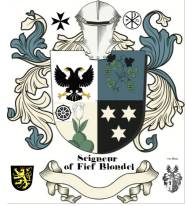
Blondel of the Nordic Channel Islands Guernsey Est. 1179 George Mentz
Bio -
George Mentz Noble Title -
George Mentz Ambassador - Order of the Genet
Knighthood Feudalherr - Fief Blondel von der Nordischen
Insel Guernsey Est. 1179 * New York Gazette ®
- Magazine of Wall Street - George
Mentz - George
Mentz - Aspen Commission - Ennerdale - Stoborough - ESG
Commission - Ethnic Lives Matter
- Chartered Financial Manager -
George Mentz
Economist -
George Mentz Ambassador -
George Mentz - George Mentz Celebrity -
George Mentz Speaker - George Mentz Audio Books - George Mentz Courses - George Mentz Celebrity Speaker Wealth
Management -
Counselor George Mentz Esq. - Seigneur Feif Blondel - Lord Baron
Longford Annaly Westmeath
www.BaronLongford.com * www.FiefBlondel.com |

Commissioner George Mentz - George
Mentz Law Professor - George
Mentz Economist
George Mentz News -
George Mentz Illuminati Historian -
George Mentz Net Worth
The Globe and Mail George Mentz
Get Certifications in Finance and Banking to Have Career Growth | AP News